
About Guardian RF
Team
Origin
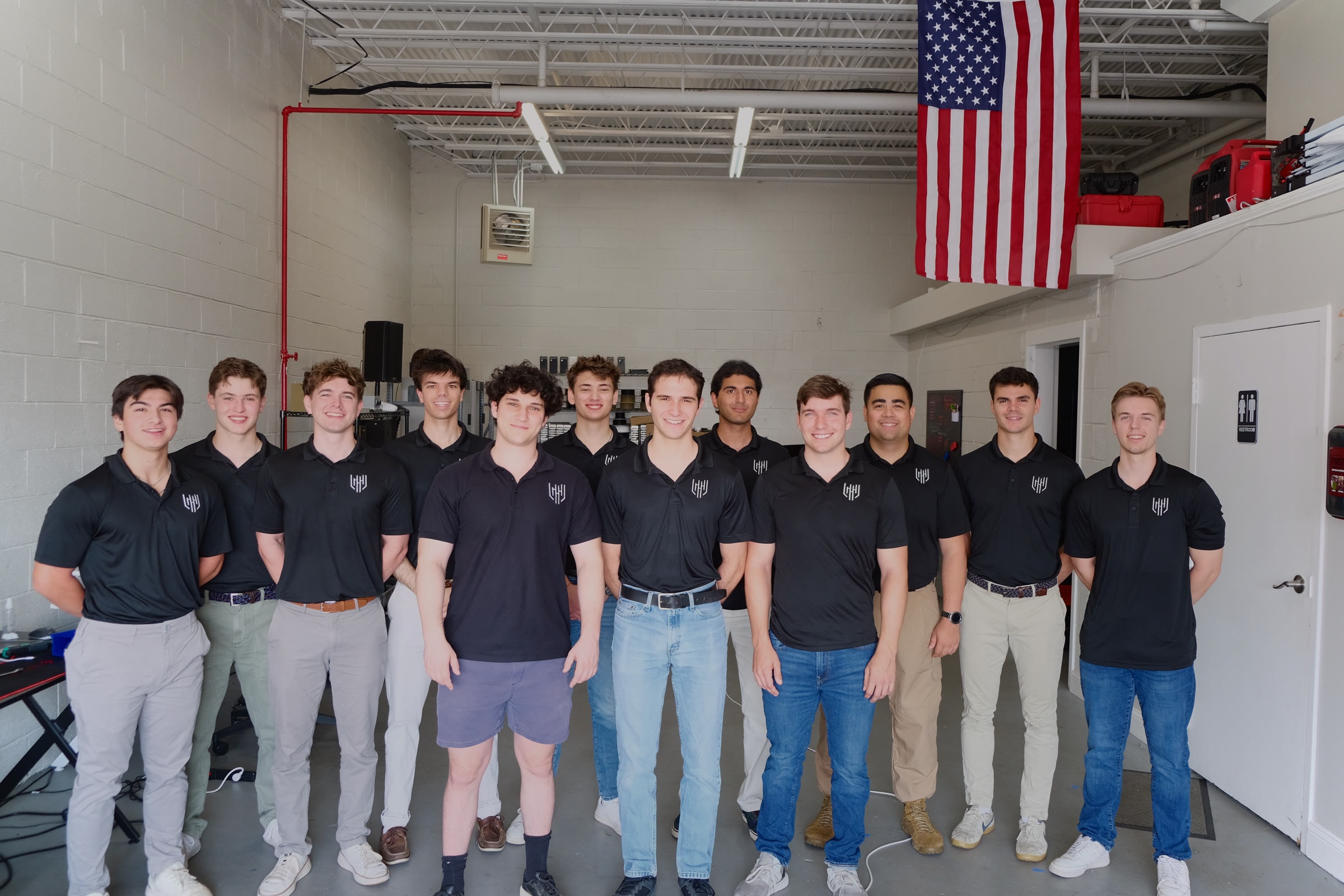
Guardian RF began with a small group of classmates at Georgetown University studying physics and signal processing. We were focused on how information moves through noisy environments and how meaning can be extracted from weak, imperfect signals.
That work stopped being academic very quickly. In the early days of the war in Ukraine, we traveled to support local defense units with signal intelligence and drone detection. On the ground, we saw a clear mismatch between the systems being shipped in and the reality of the threat. Expensive, bulky ISR platforms arrived slowly, required complex setup, and were often abandoned or stripped for parts. Meanwhile, low-cost drones adapted faster than any centralized system could keep up with.
What worked was not scale in hardware, but scale in presence. Small, simple sensors that could stay online, move easily, and quietly collect data over time mattered more than exquisite capability. The failure was not a lack of technology, but a lack of persistence and learning. Adversaries adapted. Institutions did not.
When we returned to the United States, we built Guardian RF around that lesson. We focused on low-SWaP, attritable RF sensing and a shared intelligence layer that turns detections into understanding. The goal was not to stop every drone in real time, but to create visibility, attribution, and memory in low-altitude airspace.
Today, Guardian RF builds the American platform for counter-drone intelligence. Our systems are deployed across defense installations, law enforcement networks, critical infrastructure, and major public events. The mission remains the same as it always has been: make low-altitude airspace observable, persistent, and accountable.
Join us in securing low-altitude airspace
Whether you're protecting a military installation, a power plant, or a city, Guardian RF can help you build the visibility you need.